 FairFare

Nearby Attractions
Real admission fees for popular attractions, with the nearest subway station for each.
Planning your visit
Cherry blossom season (roughly late March into early April) and autumn foliage (mid-November into early December) are Kyoto's most beautiful windows and also by far its most crowded and expensive, to the point that overtourism here is treated as a year-round structural problem rather than a seasonal spike, with some temples and gardens now running timed reservation slots specifically during those peak weeks. The city's temples and shrines aren't one walkable whole but several separate historic districts scattered across the basin — Higashiyama in the east, Arashiyama in the west, Fushimi Inari to the south — each pleasant to wander on foot once you're there but requiring a train or bus ride to get between them, so a realistic day plan usually covers one district rather than several. Kyoto actually discontinued its once-popular city bus day pass in 2023 specifically to push tourists off crowded buses and onto the subway instead, so the replacement combined subway-and-bus pass only pencils out if you're taking several rides in a day; for a lighter itinerary, paying per ride is usually simpler.
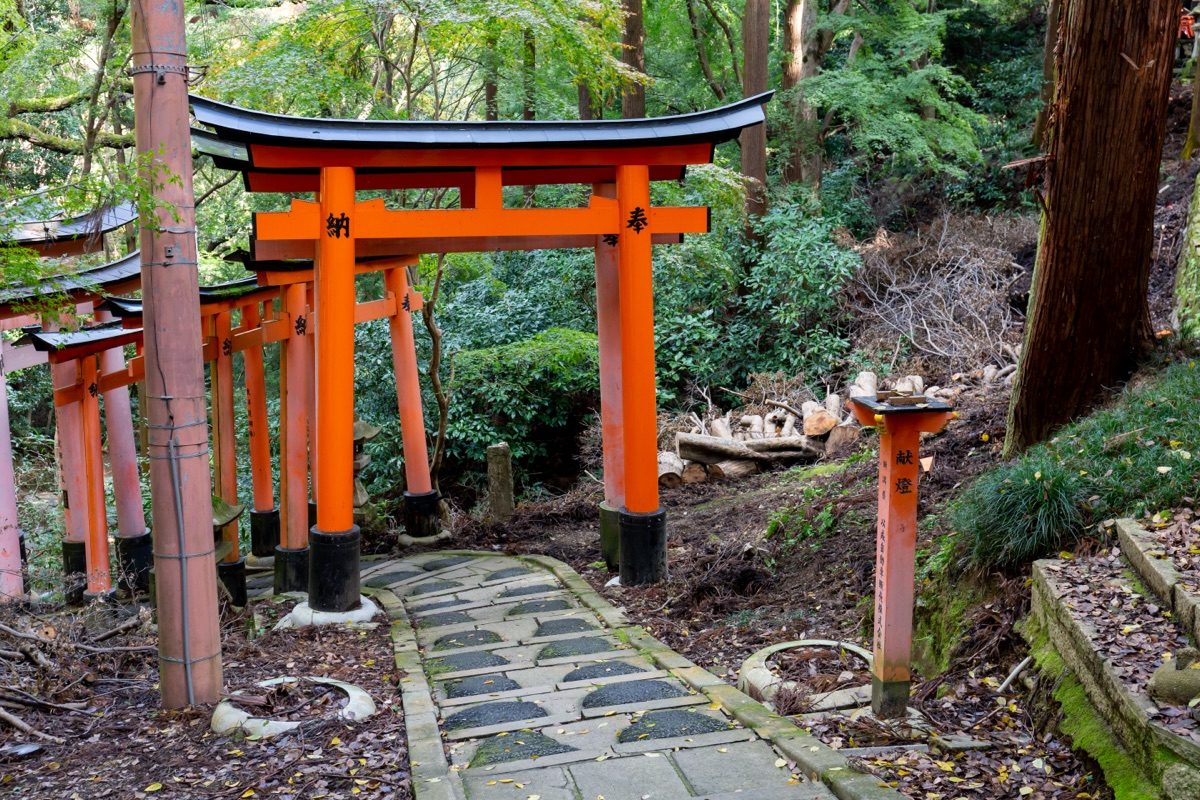
Fushimi Inari Taisha
Temple / ShrineKyoto's most-photographed shrine, famous for the thousands of vermillion torii gates lining the trail up Mt. Inari — free and open 24 hours.
🚇 JR Nara Line · Inari StationClosed: None — open every day
View on map ↗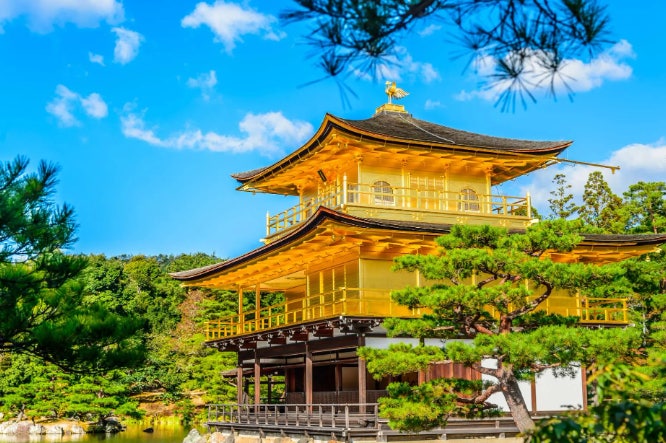
Kinkaku-ji (Golden Pavilion)
Temple / ShrineA Zen temple famous for its top two floors covered entirely in gold leaf, reflected in the surrounding pond.
🚇 Kyoto Subway Karasuma Line · Kitaoji StationClosed: None — open every day
View on map ↗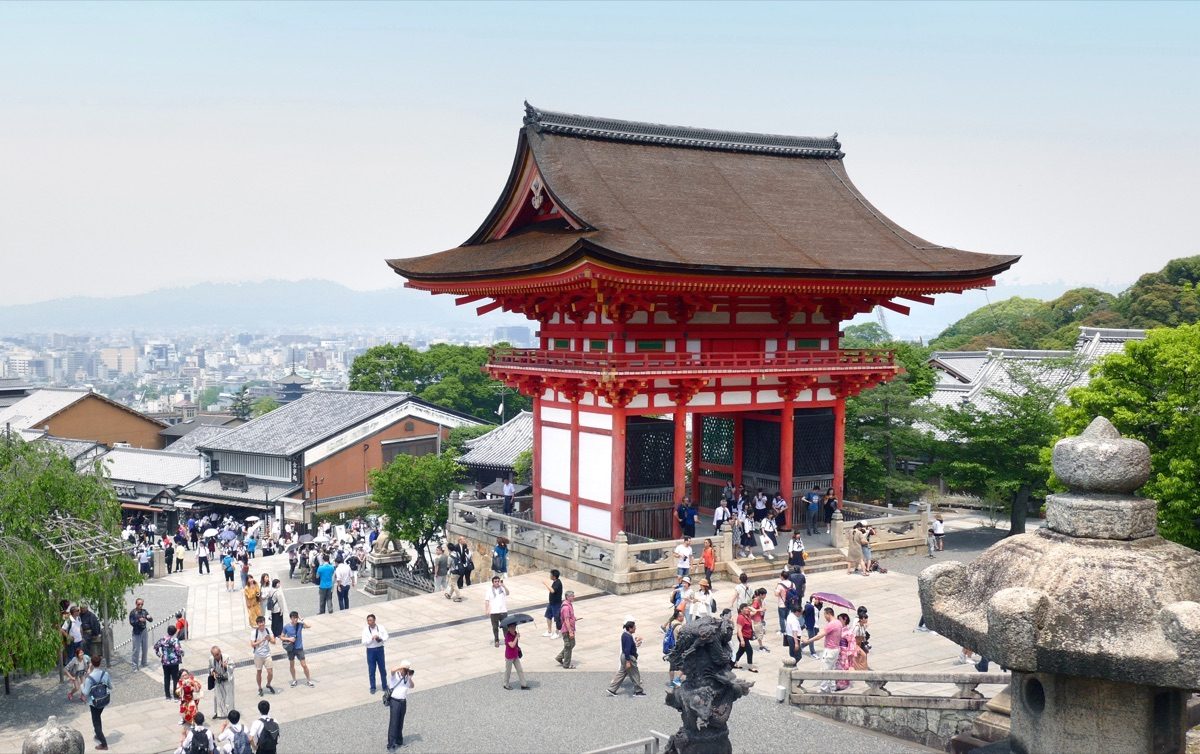
Kiyomizu-dera
Temple / ShrineA UNESCO World Heritage temple famous for its wooden stage built without nails, jutting out over the hillside with sweeping city views.
🚇 Keihan Main Line · Kiyomizu-Gojo StationClosed: None — open every day
View on map ↗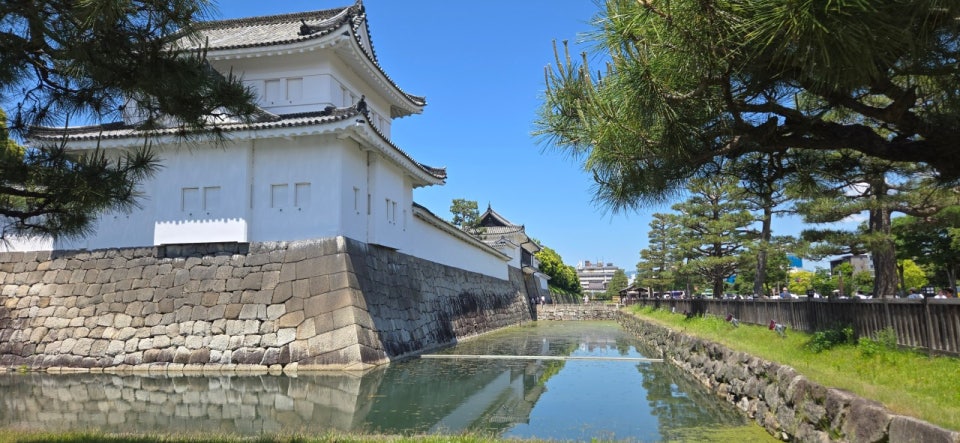
Nijo Castle
Royal PalaceA UNESCO World Heritage castle built by the Tokugawa shogunate, famous for its 'nightingale floors' that chirp to warn of intruders.
🚇 Kyoto Subway Tozai Line · Nijojo-mae Station¥800 for castle grounds only; a combined ticket including Ninomaru Palace's interior is ¥1,300.
View on map ↗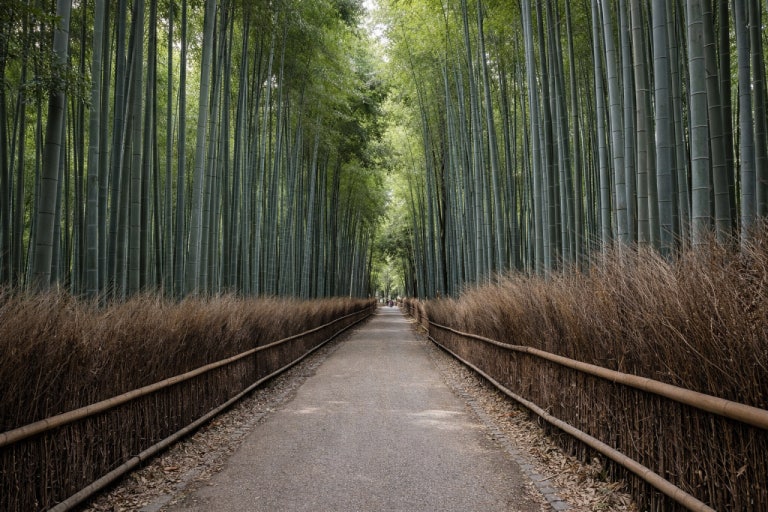
Arashiyama Bamboo Grove
GardenA famous walking path through a towering bamboo forest in western Kyoto, free to walk at any hour.
🚇 JR Sagano Line · Saga-Arashiyama StationClosed: None — open every day
View on map ↗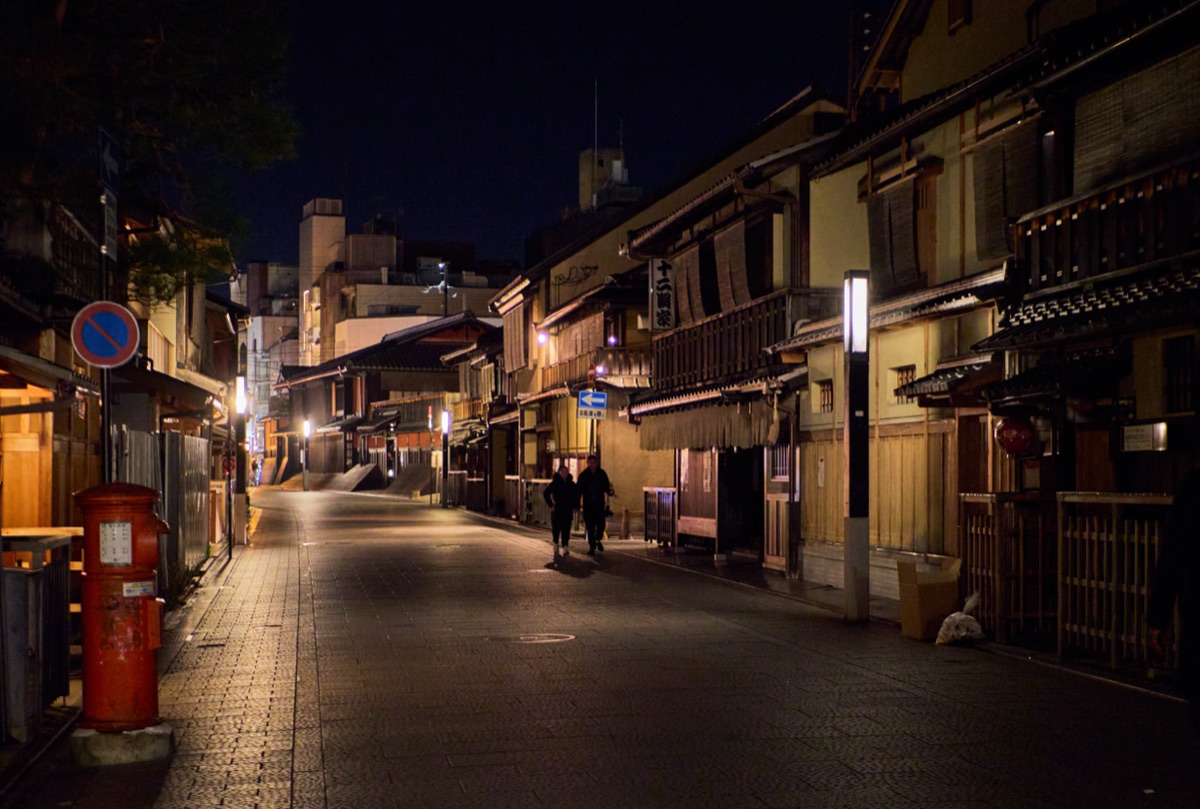
Gion
Shopping DistrictKyoto's historic geisha (geiko/maiko) district, lined with preserved wooden machiya townhouses, teahouses, and shops.
🚇 Keihan Main Line · Gion-Shijo StationClosed: None — open every day
View on map ↗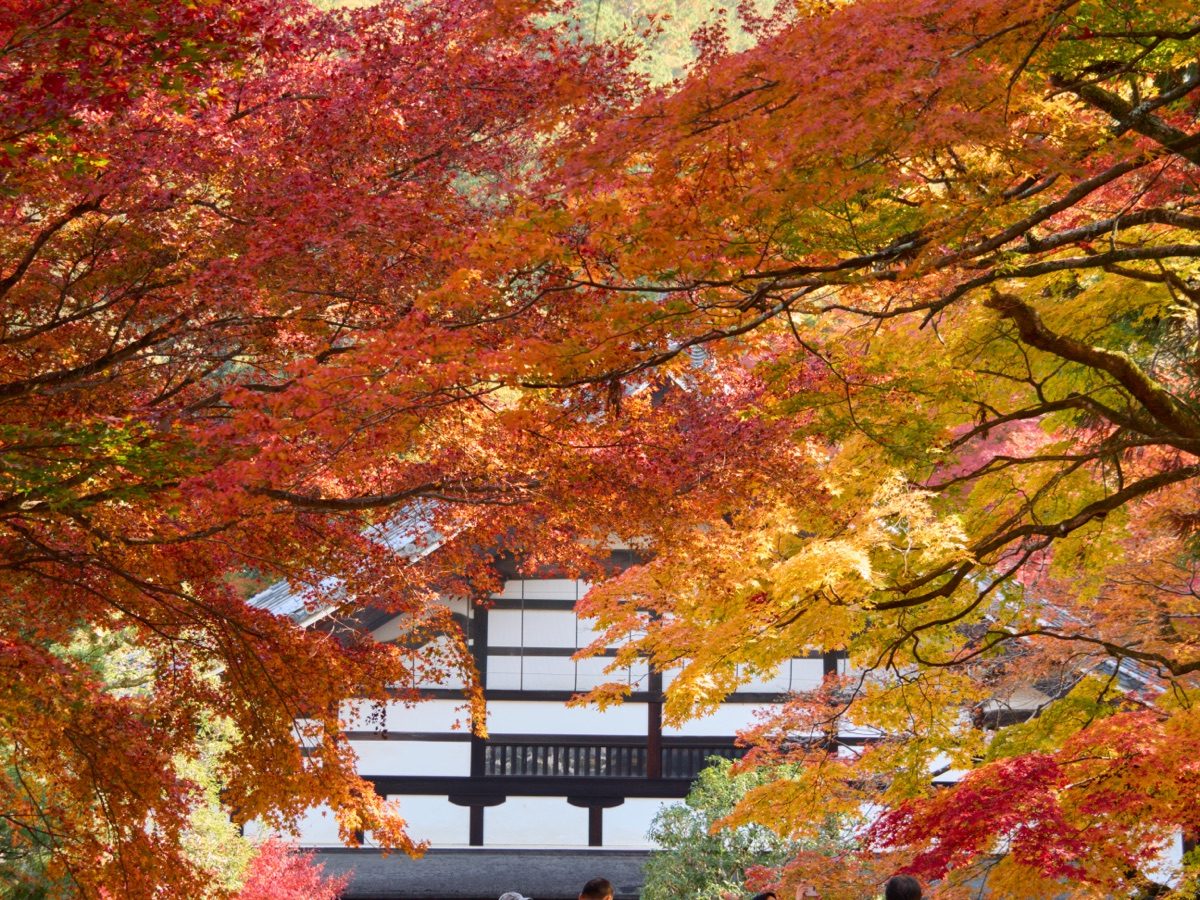
Nanzen-ji
Temple / ShrineA major Zen temple known for its brick aqueduct arches and as the historic home of Kyoto's yudofu (simmered tofu) tradition.
🚇 Kyoto Subway Tozai Line · Keage StationClosed: None — open every day
The temple grounds are free; the Hojo garden and sub-temples charge separate small entry fees (around ¥600).
View on map ↗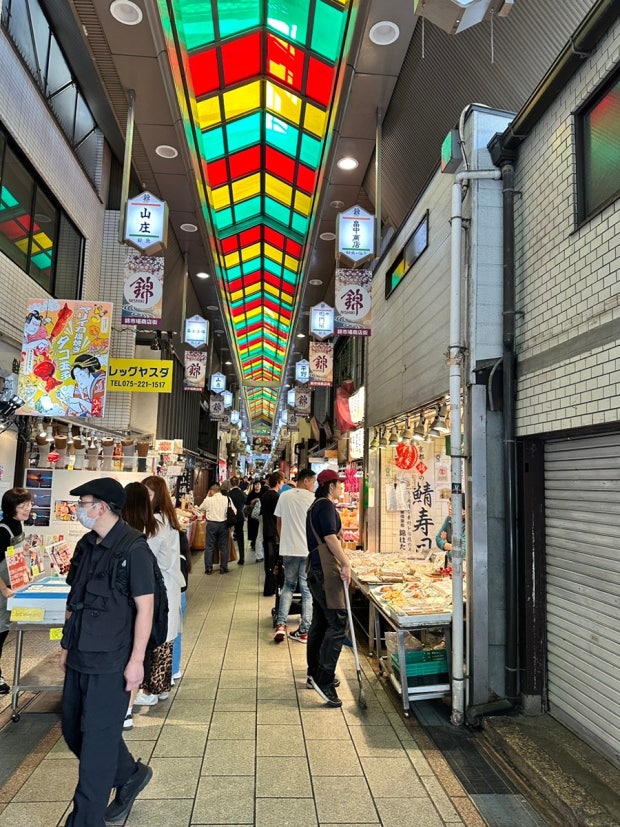
Nishiki Market
Shopping DistrictA narrow, covered shopping street known as 'Kyoto's Kitchen,' lined with over a hundred stalls selling local produce, pickles, and street snacks.
🚇 Kyoto Subway Karasuma Line · Shijo StationClosed: None — open every day
View on map ↗